

Mould & Algae Removal Brisbane: A Homeowner's Guide
Table of Contents
ToggleBrisbane's weather creates ideal conditions for mould and algae to take hold on your property. Left untreated, they can damage your home's surfaces and affect your family's health — which is why knowing how to properly identify and treat them matters.
Why Brisbane Homes Are So Vulnerable
Our climate constantly works against you here. See our ultimate guide to exterior house washing for the full picture, but the short version:
- High humidity keeps surfaces damp for extended periods
- Summer storms saturate building materials and create persistent moisture
- Temperature swings between warm days and cooler nights cause condensation
- Coastal air combines salt with humidity, adding another layer of challenge
Knowing What You're Dealing With
Proper treatment starts with correctly identifying what's actually growing on your home.
Identifying Mould
Usually appears as fuzzy or slimy patches in black, green, or brown — often with a musty smell before you can even see it. It forms readily on porous materials like timber and render, which makes complete removal trickier.
Recognising Algae
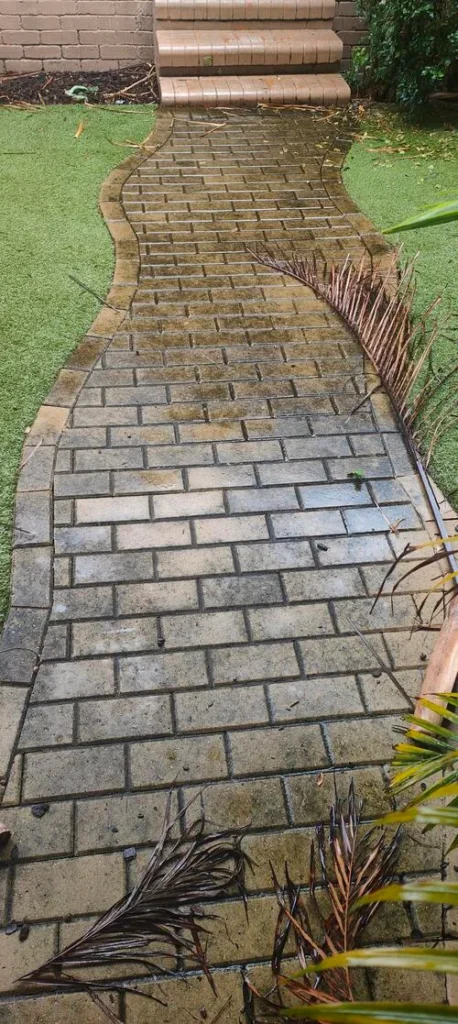
Typically shows up as a green, slippery film on hard surfaces like roofs, driveways, and exterior walls — especially common on shaded, north-facing areas. See our roof cleaning guide for more on treating roof-specific growth.
Health Considerations
Mould isn't just unsightly — it can affect your family's wellbeing. According to the Queensland Health Department, mould exposure can be particularly problematic for people with asthma, allergies, or weakened immune systems, and can trigger:
- Breathing issues like coughing, wheezing, or asthma flare-ups
- Allergic reactions — sneezing, itchy eyes, skin rashes
- Headaches, tiredness, or sinus problems in sensitive people
How We Remove Mould and Algae
- Thorough assessment — we check your property to identify affected areas, find moisture sources, and determine what type of growth we're dealing with
- Safe containment — proper containment set up before cleaning starts, to stop spores spreading to unaffected areas
- Targeted treatment — professional equipment and approved solutions applied to treat growth at the root, without damaging your surfaces
- Moisture management — since moisture is the real underlying cause, we help identify issues like poor ventilation, leaks, or drainage that need addressing too
When to Call a Professional Instead of DIY
DIY might work for: small, isolated patches (under a square metre) of surface mould in well-ventilated areas, provided you use proper safety equipment and the right cleaning solutions.
Time to call a professional: larger affected areas, mould in your air system, growth that keeps recurring despite cleaning, or any situation where health concerns are involved.
Prevention Strategies
- Improve ventilation — exhaust fans, opening windows when weather allows
- Control humidity — dehumidifiers in damp areas, ensuring clothes dryers vent outside
- Stay on top of maintenance — clear gutters, fix leaks promptly, maintain good drainage
- Schedule regular cleaning — part of an overall maintenance routine, rather than waiting for a problem to show up
Surface-Specific Treatment
Exterior Walls and Render
Needs careful pressure control and the right solutions — our soft washing approach cleans effectively while preserving the surface.
Roof Surfaces
Requires specialised equipment and strict safety measures — different roof materials need different treatment approaches.
Driveways and Pathways
Often develop slippery algae that creates a real safety hazard. Our driveway cleaning service addresses both the appearance and the safety issue.
FAQs
How quickly should I deal with mould once I spot it?
Mould can begin growing within 24–48 hours of water exposure, so it's worth acting quickly before it spreads.
Is bleach effective for mould removal?
Bleach can remove surface discolouration, but it often doesn't address the root cause and can damage some surfaces. Professional treatment is typically more effective and safer for your home.
How often should I get my home checked for mould?
Yearly inspections are a good habit, particularly before the humid summer season — catching early signs before they become bigger problems.
Will my home insurance cover mould removal?
Depends on your policy and what caused it — sudden, accidental water damage is more likely to be covered than gradual moisture issues. Professional documentation helps with any claim.
When is the best time for exterior algae cleaning?
Early autumn usually offers the best conditions, with less rainfall letting treatments properly do their job.
Can mould come back after professional treatment?
If the underlying moisture issue isn't fixed, yes. That's why our approach always includes addressing the moisture source, not just the visible growth.
Are your cleaning products safe around pets and children?
Yes — we use environmentally friendly, pet-safe solutions and give clear guidance on when it's safe to re-enter treated areas.
Protecting Your Brisbane Home
Understanding the risks and staying on top of prevention makes a real difference in how often you need professional help. Regular maintenance and quick attention to moisture issues go a long way.
At FRSH Again, we help Brisbane homeowners deal with mould and algae properly — treating the cause, not just what's visible.
Ready to sort your mould or algae problem? Get a free, no-obligation quote and we'll help you work out the right solution for your home.