

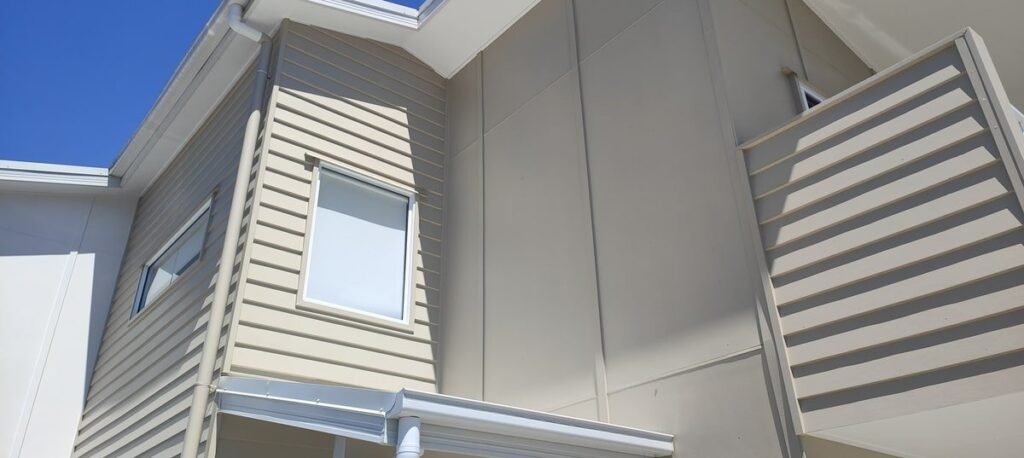
How Often Should You Pressure Wash Your House in Brisbane's Climate?
Table of Contents
ToggleIf you're a Brisbane homeowner, you've probably noticed how quickly mould and grime build up on your exterior. One of the most common questions we get asked is simple: how often should this actually be done?
The answer isn't the same for every home, but understanding our local climate helps you build a schedule that actually protects your property.
Why Brisbane's Climate Matters
Our climate creates ideal conditions for exterior surface problems — high humidity, intense summer rainfall, and plenty of sunshine all combine to encourage organic growth over time. Choosing the right method matters too; see our guide on soft washing vs pressure washing for which suits which surface.
- High humidity — average levels of 65–70% encourage rapid mould and mildew growth
- Summer storms — heavy rainfall drives dirt and organic matter into porous surfaces
- Pollen season — spring brings a sticky buildup on exterior surfaces
- Coastal salt — properties near the coast face additional corrosion and buildup
Finding the Right Frequency
Cleaning too often is an unnecessary cost. Waiting too long risks permanent damage and a more expensive clean when you finally get to it. Most Brisbane homes benefit from professional exterior cleaning every 6–12 months, though several factors shift that timeline.
General guide:
- Every 6 months — homes under heavy tree cover or in high-humidity zones
- Every 9 months — coastal properties or homes with shaded, north-facing walls
- Every 12 months — modern rendered homes with good sun exposure
- Every 6–9 months — weatherboard homes and traditional Queenslanders
What Affects Your Schedule
Location and Microclimate
Leafy suburbs mean more organic debris and faster buildup. Coastal properties face salt spray and higher humidity on top of everything else.
Surface Material and Orientation
Different materials accumulate dirt at different rates, and north-facing walls typically develop more mould and algae due to less direct sun.
Surrounding Environment
Homes near parks, reserves, or busy roads face different contamination types. Extensive gardens or water features nearby can also mean more organic growth to deal with.
Roof Type and Condition
Your roof is often the first place that shows it needs attention — different roofing materials need different cleaning frequencies. See our roof cleaning guide for more detail.
Seasonal Timing
Autumn (March–May) — the ideal maintenance window: reduced humidity and milder temperatures make it the best time to remove summer buildup before winter.
Spring (September–November) — a good pre-summer refresh, clearing winter pollen before the humid months hit.
Summer — cleaning is still possible, but intense rainfall can reduce how well treatments hold up, so timing around dry stretches matters more.
Frequency by Surface
- House walls and siding — every 6–12 months. Rendered surfaces often go longer between cleans than weatherboard.
- Roof surfaces — every 18–24 months, though heavy tree cover or north-facing slopes may need more frequent attention.
- Driveways and pathways — every 12–18 months. See our driveway cleaning guide for more.
- Decks and fences — every 6–12 months. Timber tends to need the most frequent attention to prevent deterioration.
Signs Your Home Needs Cleaning Now
- Black or green streaks on north-facing walls or roof surfaces
- Visible moss in shaded areas or roof valleys
- A gritty texture on rendered surfaces
- White salt deposits on concrete or brickwork (efflorescence)
- Reduced rainwater flow from downpipes due to gutter blockages
Professional vs DIY: Does It Affect Frequency?
Professional cleaning tends to provide longer-lasting results than DIY, since commercial-grade equipment and solutions treat growth more thoroughly — which can extend the time between cleans. DIY can handle surface dirt, but often misses root-level contamination, meaning growth comes back faster and you end up cleaning more often anyway.
Budgeting for Regular Maintenance
Staying on a consistent schedule generally costs less over time than dealing with long-term neglect — it helps prevent surface damage, extends the life of paint and coatings, and reduces how often you need a more intensive (and expensive) clean.
Building Your Own Schedule
A simple starting point for a typical Brisbane home:
- Autumn — full exterior wash: walls, gutters, driveway
- Spring — touch-up cleaning on high-growth areas
- As needed — spot cleaning for problem areas between scheduled cleans
FAQs
Can I pressure wash my house too often?
Yes — excessive cleaning can wear on surfaces over time. Most Brisbane homes don't need cleaning more often than every 6 months unless specific conditions call for it.
Does roof cleaning follow the same schedule as walls?
No — roofs typically need less frequent cleaning, usually every 18–24 months, though this varies with material, orientation, and nearby trees.
Should I adjust my schedule after major storms?
Yes — significant weather events often bring extra debris and contamination worth addressing sooner than your normal schedule.
Can protective coatings extend time between cleans?
Yes — sealants applied after a professional clean can help stretch out the time before you need another one.
What's the risk of waiting too long between cleans?
Extended neglect can lead to permanent staining and surface deterioration, meaning a more expensive job when you finally do get it cleaned.
Protect Your Investment with the Right Schedule
The right cleaning frequency isn't just about appearances — it protects one of your biggest investments. Whether you're maintaining a modern rendered home or a traditional Queenslander, understanding how Brisbane's climate affects your specific property makes all the difference.
At FRSH Again, we help Brisbane homeowners build a maintenance schedule that actually fits their property and budget.
Ready to work out the right schedule for your home? Get a free, no-obligation quote and we'll help you plan it out.